Narrow pool decks and outdoor chaise lounges: what fits and why
A narrow pool deck changes the way seating works. There is still room to relax, but every inch has a job. Doors need to swing, people need to pass, towels need somewhere dry, and the loungers need to sit where they can be used rather than shuffled aside. Outdoor chaise lounges are often the most practical choice for these tight spaces because they give one person a full place to stretch out without taking up the same footprint as a small dining set.
The useful question is not simply whether a lounger fits along the pool edge. It is how the deck works once the lounger is there. A long reclining chair can look fine in an empty space and still make a route feel cramped when several people are moving around the water. Good layout starts with the walking path, then the place to sit, then the extras that make the area comfortable.
What outdoor chaise lounges are for on a slim deck
A chaise lounge is a long seat designed for reclining, usually with a raised back and a support area for the legs. Around a pool, that shape does more than look relaxed. It creates a defined spot for sunbathing, reading, or resting between swims. On a narrow deck, it also helps keep seating simple. One lounger supports one person well, so there is less need for clusters of chairs that block movement.
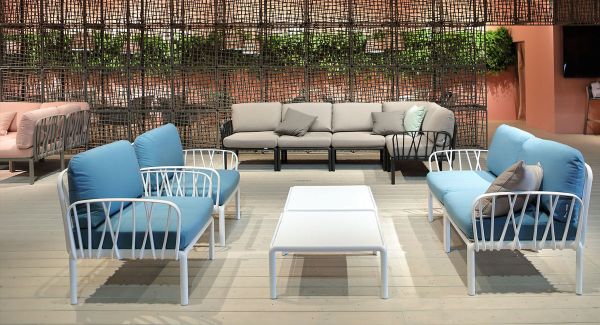
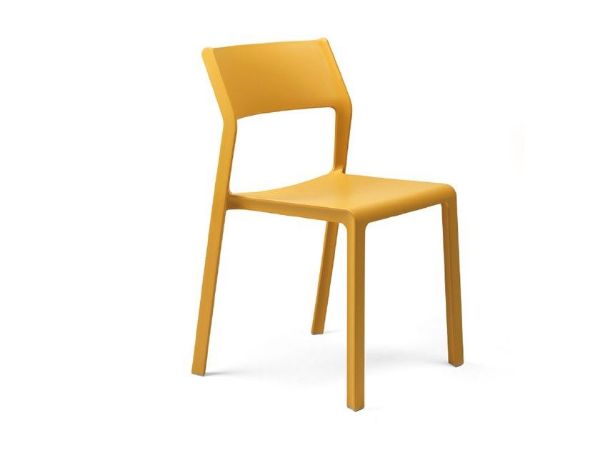
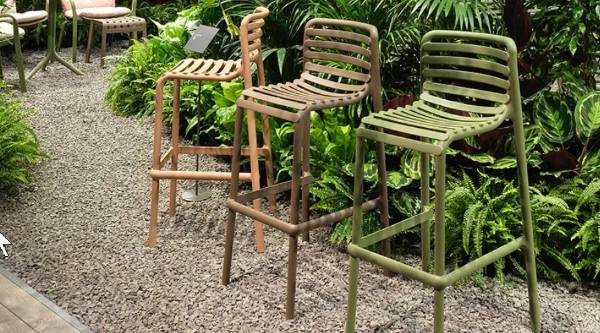
Resin furniture is a common fit for pool areas because it can be made with clean profiles, open frames, and surfaces that are easy to wipe down. A US online retailer such as outdoor-resin-furniture.com offers Nardi and other resin outdoor furniture for patios, dining areas, pools, gardens, and commercial spaces, so the term outdoor chaise lounges in this setting points to poolside and patio lounging pieces rather than indoor furniture moved outside for a season.
The main advantage is shape. A chaise uses length rather than width. Many decks have more room running parallel to the pool than they do across it, especially when a fence, wall, or planting bed sits close to the water. Placing lounges lengthwise along that strip can leave the centre path open. The result feels calmer because furniture follows the geometry of the space instead of fighting it.
How to read the space before choosing a lounger
Start with the route people use most. This is usually the line from a house door or gate to the pool edge, plus the gap where swimmers step in and out. That path should stay clear enough for a person carrying a towel, a drink, or a pool toy. If a lounger narrows that route, the deck will feel busy even when it is not crowded.
Next, look at the direction of the chair. Loungers that face the sun are useful for long stretches of sun exposure, while angled positions can make a small deck feel less like a row of seats. Angling may cost more floor space, so it works best where the deck widens near a corner or step. Straight alignment is usually easier on a tight run because it keeps edges parallel and leaves predictable gaps.
Also check what happens when the back reclines. A chaise changes shape when someone adjusts it. The back may extend behind the frame, or a section may fold and shift. A chair that fits when upright can crowd a fence or wall when lowered. Leave a little breathing room behind the lounger, especially if the deck ends at glass, a railing, or a planted border.
Choosing the right footprint
On a narrow pool deck, the best lounger is often the one with the simplest outline. Slim arms, a compact frame, and a visible gap underneath make a space feel less packed. A lower profile can also preserve sightlines, which matters when the pool is used by children or when the deck opens onto a garden. Heavy, bulky pieces give a solid feel, but they can turn a narrow path into an obstacle course.
Think about how many people normally use the pool at once. A pair of loungers with a small side table between them may be more useful than a long run of chairs that leaves no room for a towel. A single lounger placed near a quiet corner can turn an awkward leftover area into a usable spot. In small spaces, the goal is not maximum seating. It is seating that remains comfortable to reach and easy to live with.
Resin surfaces can suit this kind of planning because they are generally simple in shape and easy to keep clean. Poolside furniture meets sun exposure, splashed water, and chlorine exposure, so material choice affects how much upkeep the owner should expect. Smooth surfaces tend to be easier to wipe, while woven or textured areas can hold more grime. Open frames allow water to drain and air to move, which helps after rain or pool splash.
Placement ideas that work in tight widths
Along-the-edge placement is the most direct option. Line the loungers up parallel to the pool, leaving a clear lane behind them if the deck allows it. This works well when the deck is long and narrow. It also keeps the view toward the water open from the house or gate.
Corner placement can make better use of an odd shape. A lounger set diagonally across a wide corner may create a small private zone without interrupting the main path. This is where a compact side table earns its place. It gives a drink, book, or pair of sunglasses a stable surface, so the lounger itself does not become storage.
For very tight decks, consider alternating uses rather than filling every available length. One lounger, one small table, and a folded towel spot can feel more inviting than several chairs squeezed together. If towel storage is part of the plan, keep it away from the main walking route and away from direct splash zones. A dry towel within reach is useful, but a basket in the path becomes a trip risk.
When several loungers sit together, spacing matters. Leave enough room for someone to sit down and stand up without brushing the next chair. This is practical, not just visual. Crowded seating can lead to knocked drinks, tangled towels, and awkward movement around the pool. A little open deck between pieces can make the whole area feel larger.
Comfort, shade, and safe movement
A lounger should support a relaxed position without sliding on the deck. Check the feet and the surface where the chair will sit. Smooth pool coping or wet paving can increase slip hazards, especially near steps and entry points. A stable chair is more comfortable to use and less likely to shift as someone sits down or gets up.
Sun exposure shapes the day on a pool deck. A lounger in full sun is useful for sunbathing, but long sessions need shade, water, and a sensible break from the heat. If the deck has a pergola, umbrella, or shade sail, place seating so the shade can actually reach it. In small areas, moving one lounger a short distance can change how often it is used.
Keep lighting and power in mind without turning the pool area into a work zone. Any electrical feature near water should be installed and maintained by a qualified professional. The furniture plan itself should stay simple. Avoid cords across walking routes, and do not rely on extension leads running under chairs or beside pool edges.
Surface cleaning is another everyday concern. Pool decks collect sunscreen, leaves, drink marks, and water residue. Furniture with simple joints and open space beneath the seat is easier to work around. A quick wipe after use can keep a lounger looking tidy, while a more thorough clean may be needed where splashed water dries on frames. If a product has cushions, think carefully about where they will go when it rains or when the pool is not in use.
What this means for the reader
For a narrow pool deck, outdoor chaise lounges work best as part of a clear plan rather than as a single purchase made by measuring the pool edge. The right choice depends on the walking route, the shape of the deck, the way the chair reclines, and the amount of care the owner wants to give it. A slim, stable lounger placed with a little space around it can make a small pool area feel more usable, while an oversized piece can crowd the space no matter how attractive it looks.
The practical approach is to sketch the deck as a simple rectangle or corner, mark the doors, steps, and pool entry, then reserve the path first. After that, place one lounger where it can be used comfortably. Add a small table only if there is room. Leave the rest open until the need is clear. Narrow spaces reward restraint, and poolside seating should make movement easier, not harder.
People browsing outdoor-resin-furniture.com for resin seating can use that same lens when comparing loungers. Look beyond the overall length and ask how the chair sits in the real space: does it leave a route, does it recline safely, is it easy to clean, and does it give the pool deck room to breathe? Those details matter more than a crowded layout, and they are what turn a narrow deck into a comfortable place to spend time.